
Singapore's Waste Sorting System: How It Works and What to Expect
An overview of how Singapore collects and sorts residential waste, the role of blue recycling bins, and why contamination rates remain a persistent challenge for the NEA.
Read article
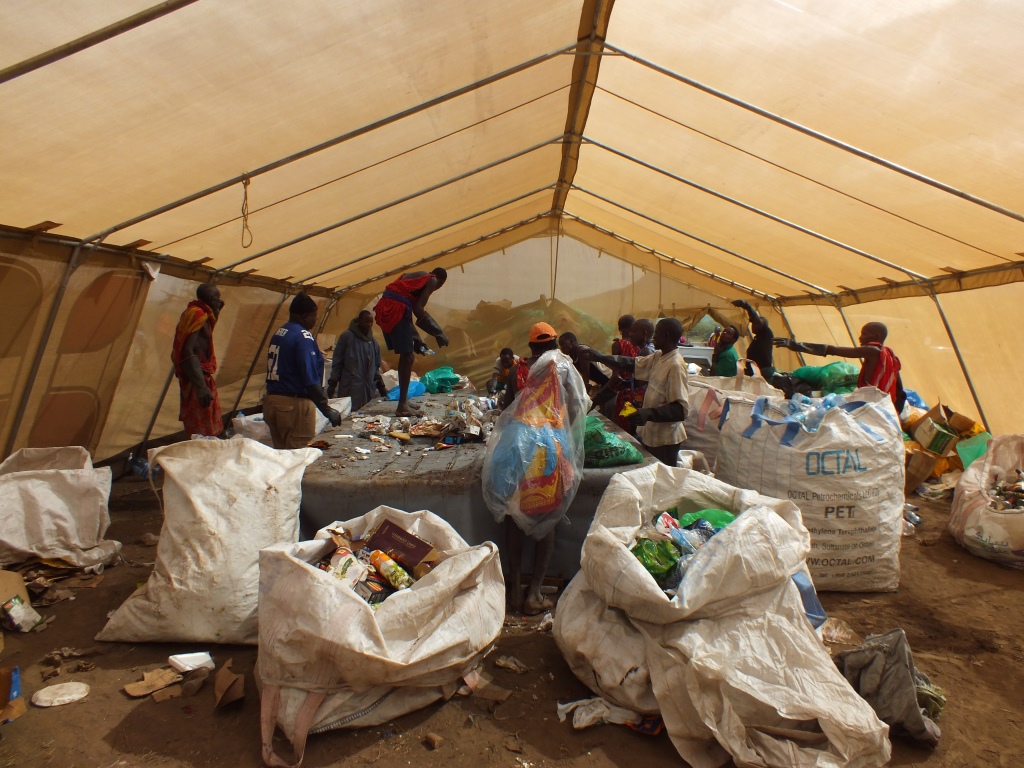
Practical information on how Singapore handles household waste, what materials get processed, and how residents can cut their daily output without disruption to ordinary life.
Singapore generates roughly 7.4 million tonnes of solid waste annually. The National Environment Agency coordinates collection, but the detail of how sorting functions at the building level — and why so much recyclable material still ends up incinerated — is less understood. This piece examines the mechanics behind the blue bins, the contamination problem, and what current data shows about recycling rates in the country.
Full articleAn overview of how Singapore collects and sorts residential waste, the role of blue recycling bins, and why contamination rates remain a persistent challenge for the NEA.
Read articlePaper, metal and glass have relatively clear processing pathways. Plastic is more complicated. A look at what Singapore's recycling facilities handle and where the gaps remain.
Read article
Zero Waste Home
Practical adjustments that reduce household waste in a typical Singapore flat — from the kitchen and bathroom to shopping habits and managing electronics responsibly.
Read articleFor corrections, content suggestions or general questions about information published on this site, use the form or reach us directly. Response time is typically 2–3 business days.